
Foundations – ElPropósito4 min de lectura
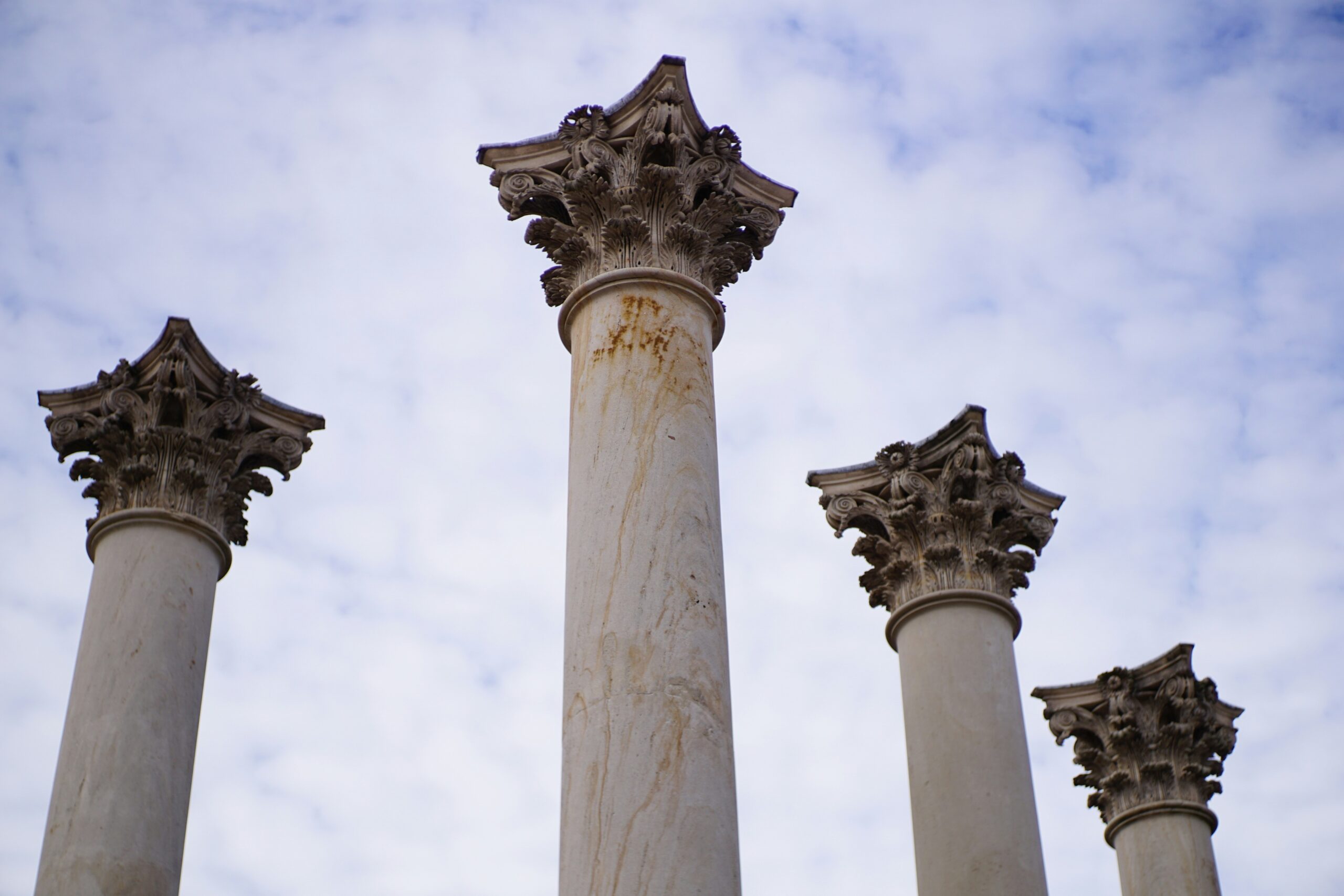
Four pillars of trust

Trust may be one of the most fundamental human matters. We trust the future, believing the best is yet to come or at least that some of our burdens will ease. In my case, we trust God as our almighty and eternal Father. We trust others when the relationship is solid, and we trust our team when it falls to us to lead one. We trust in countless ways, and life basically rests on trust. I even think trust is an act of faith. When we look at a company performance report, we trust that the data behind it was right. When someone tells us they did something, we trust they really did. If we stop to count how many times a day we trust blindly, we will find it is far more often than we think. So what are the pillars that trust stands on?
Values. We surround ourselves with people who share our values, or at least a good part of them. We share a view of the world and of how to move through it, and so we have a common denominator that binds us. When that is missing, we simply stop taking part in the relationship or go looking for another place where we can share that minimum common ground with someone else. That is why an education grounded in values is vital, along with always being clear about what those values are. I often stress how important it is to have them in writing and somewhere visible. Many organizations work hard to keep their values public and visible in every corner, so everyone knows what behavior is expected while they are inside that system. This may be one of the most complex issues a leader faces, and it deserves real emphasis to create spaces of trust and, above all, a culture built on trust.
Another fundamental pillar of trust is respect. There is a certain hierarchy among values, and one might ask which comes first, respect or trust. Trust enables everything. As I said at the start, we usually begin by trusting. Trusting what? Everything and everyone at once. It is a natural gift we carry inside, the foundation of practically our entire existence. We see it when we look at the sky, by day or by night: we simply trust that what is happening up there happens for a reason or because of someone. Back to respect. Those who value us and share our view of life respect our values, and we respect theirs. A team will struggle to communicate well if its members do not respect one another. A company will struggle to endure if it does not respect the environment or if it takes part in a country’s corruption. Then there is the respect we owe ourselves: in what we eat, in our schedules, in how we treat others, and so on.
Beyond values and respect, I consider consistency another fundamental feature of trust. We have to set the example at all times and in every place, and consistency requires clarity on several things, including discipline, habits and actions. In the people we truly admire, we see a set of actions that shape their days in a routine, consistent way. They do the same things over and over, every day. They have reached excellence in their work and in their lives through effort and discipline that come from many sources. For some it is solid training in something they deeply wanted to learn and that fits their life purpose. For others it comes from teaching themselves. Whether the knowledge came from formal training or from searching until they found it, what sets a consistent person apart is the ability to achieve extraordinary results.
I would add a fourth pillar: telling the truth. It is closely tied to the first one, values, yet the truth is always the truth, everywhere. Many years ago I read a line from Saint Josemaría Escrivá de Balaguer in one of his books I love so much, The Way: "Never be afraid of the truth, even if it brings you death." There is no trust without truth. If we do not tell the truth today, sooner or later it will come out and the damage will be worse. That is also why I love the saying that rivers are easiest to cross at their source. Always and everywhere, above all else, it is better to tell the truth than to try to cover the sun with one finger.
Finally, as Franklin Covey rightly says, trust is like a bank account. We keep making deposits of trust. Sadly, losing trust is like the bank behind our account going under: it can vanish in a second. To build trust with others we need to be very clear about our values and about our respect for life in general, our own, other people’s and the world we live in. And we need to be consistent all the time to keep the rhythm and cadence of trust going.
Warm regards and all the best,
Rodrigo Baccaro
Exploratory session
If you want to bring this reflection into your life, your leadership or your team, book an exploratory session with me.
Book an exploratory session
Author: Rodrigo Baccaro
Get ElPropósito every Sunday
A short reflection on leadership, purpose and growth, straight to your inbox.