
Teams of Teams – ElPropósito5 min de lectura
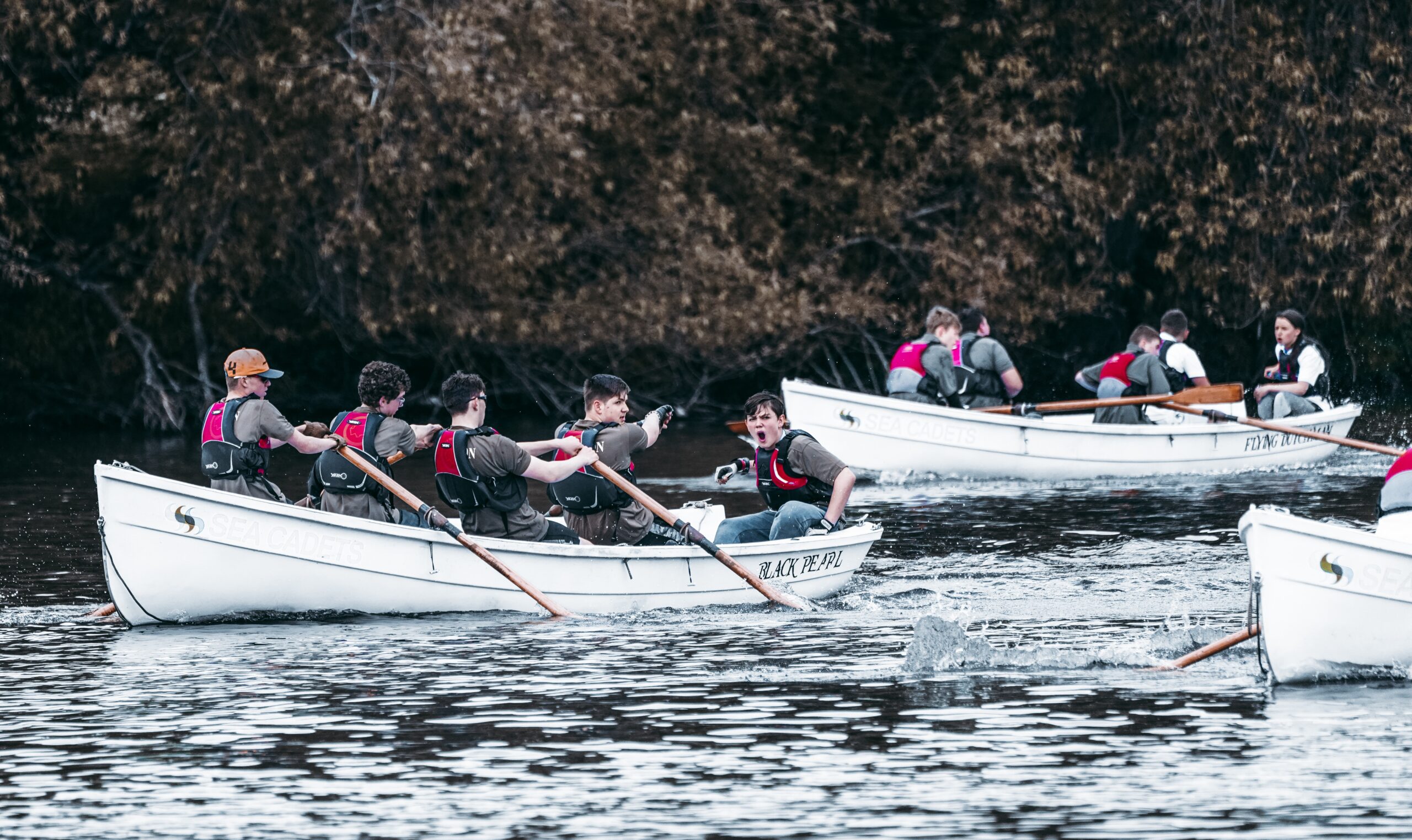
What is a team’s job? How does a group of people come together and then become a team? What advantages do teams have over groups? I want to start with a line I loved, from Plato, quoted in Michael Ruse’s book On Purpose: "Nature never makes anything without purpose." So, since today I want to write about teams, no team should start without first defining a purpose, its reason why, however imposing that may sound. Teams are human creations, the word we use for a group of people who behave in a unique way to deliver unique results. Seen from the outside, what happens inside such a team is fascinating and very particular. To begin with, they know interaction is vital, and their interactions are high quality. They know each person’s role matters, and above all, they know every member’s contribution is vital to the team’s success and continuity. Why are teams becoming both scarcer and more necessary today?
The challenges leaders face today are global in scope and impact. Nobody is spared, and nobody will be in the short, medium or long term. Problems of every kind keep getting more complex, and running a business is anything but easy. Teams have become a lever for developing strategy in every area of an organization, and they become part of the competitive advantage when leaders see them that way, as a solid lever. We need teams at every level, around the clock and of every kind. Individualism is a thing of the past, and knowing how to interact has become key to building a team culture. The most significant barriers and challenges leaders face today are about being: who their organization, their people and their teams are. They are about values and purpose.
When it comes to the culture of an organization, its teams and each person’s behavior, values are poorly understood, if at all. It is common to hear someone say, "I was raised in a home with principles and values." Ask them which values and principles (a question almost nobody asks) and the hesitation begins. We are obliged to know, and therefore to define, the values we were supposedly raised with, and I would add that we may also have been raised with anti-values. Back in business, companies that are clear on their values, and on why living a values-driven culture matters, invest whatever it takes so that every one of their people, EVERYONE, understands what it means to belong to the organization and what behavior is expected, in other words, the values the organization expects them to live inside and outside the company.
Back to teams: teams with a purpose are more likely to feel something groups lack, a sense of belonging. A purpose takes shape from the sum of each member’s experiences and their tangible and intangible contributions to the team. Many organizations today find in defining a purpose something they could never quite grasp through mission and vision. I would add that a team that knows its purpose should also define its vision, its mission and a set of values that shape its identity and the moral conduct expected of each member. Finally, a team needs to be clear on the objectives it will work toward. From there, each person brings their experience to carry out any plan.
In environments this complex, all of people’s potential has to be put at the service of teams, and helping unlock that potential may be the leader’s greatest task this century. Training people and waiting for results in execution is no longer enough. Leaders must walk alongside their teams and act as catalysts for change together with them, and this is where coaching plays a transcendent role, as a partner in that journey. Gaining knowledge, bringing together a lot of talent, setting objectives and getting everyone to share the same vision and purpose are hugely important, perhaps the most important things of all. Yet we know execution is the weak leg every organization limps on, and the catalyst that guarantees execution is high-quality support for teams.
How good is the support your team receives?
Warm regards and all the best,
Rodrigo Baccaro
P.S. This week’s VELA:
- What I was watching: Stairway to Heaven. This 2007 concert makes me want to reach that age with Robert Plant’s voice (minute 7:03), Jimmy Page’s good vibes or John Paul Jones’s magic. It is a superb concert, with John Bonham’s son, Jason, on drums in the band his father played for as the original drummer. I come back to it again and again and again
– What I was listening to: Narcissists, Frauds, and Enablers: Trans Women and Women’s Sports, from Jordan Peterson’s podcast. I have been a swimmer all my life, today I can call myself a triathlete, and the damage that has been done, and keeps being done, to sport is unforgivable. This simply cannot keep happening
– What I was reading: Siempre en pie (Always Standing). This book is a delight and every page is a lesson, so I am savoring it slowly
– What I was learning: Gain more muscle while fasting. Dr. La Rosa’s channel is one of the really, really good ones on YouTube. This video is among his best, starting with something that may sound contradictory at first. I hope it helps you a lot
Sesión exploratoria
Si quieres llevar esta reflexión a tu vida, a tu liderazgo o a tu equipo, agenda conmigo una sesión exploratoria
Agendar sesión exploratoria
Author: Rodrigo Baccaro
Recibe ElPropósito cada domingo
Una reflexión breve sobre liderazgo, propósito y crecimiento, directo en tu correo