
Renewal – ElPropósito3 min de lectura
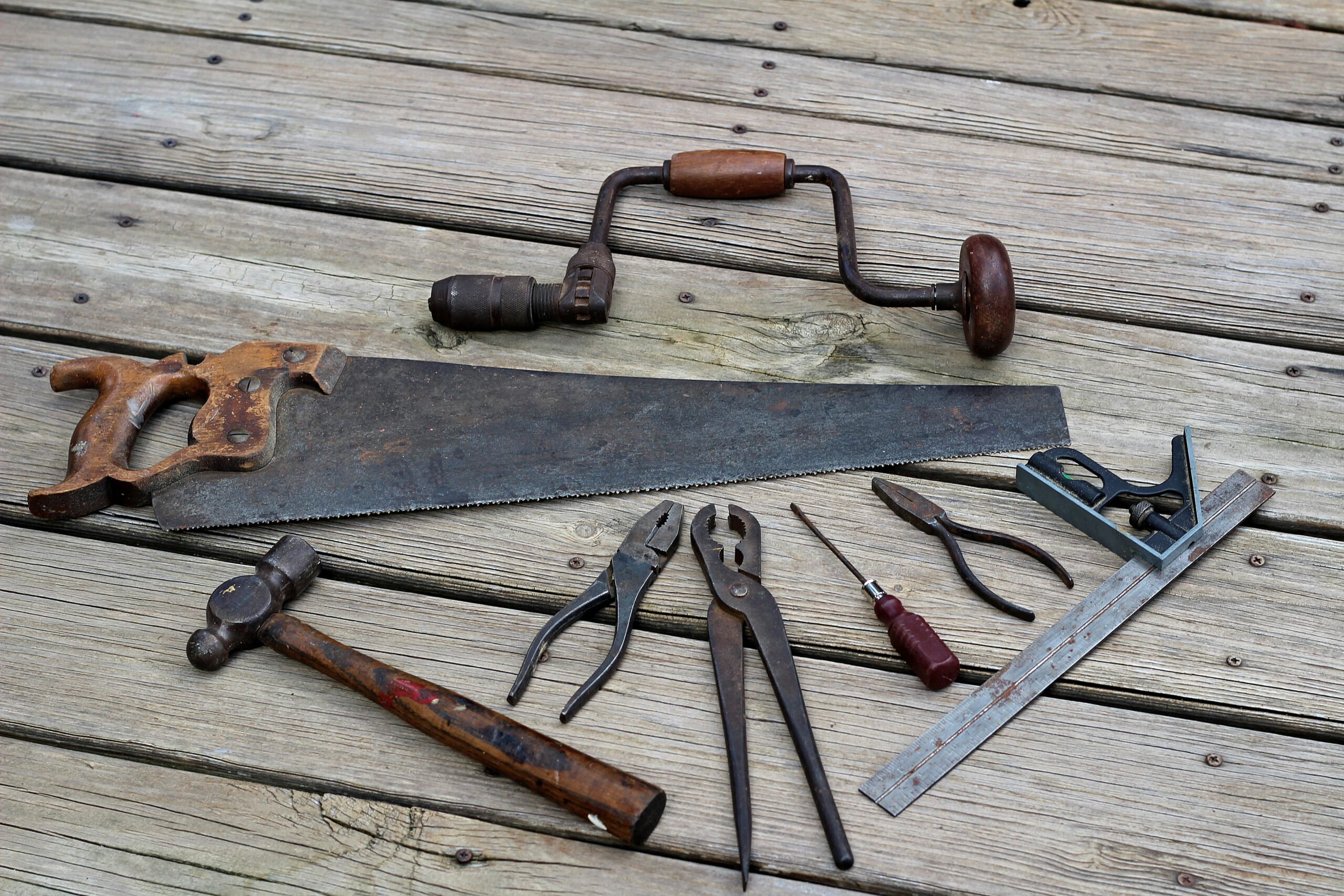
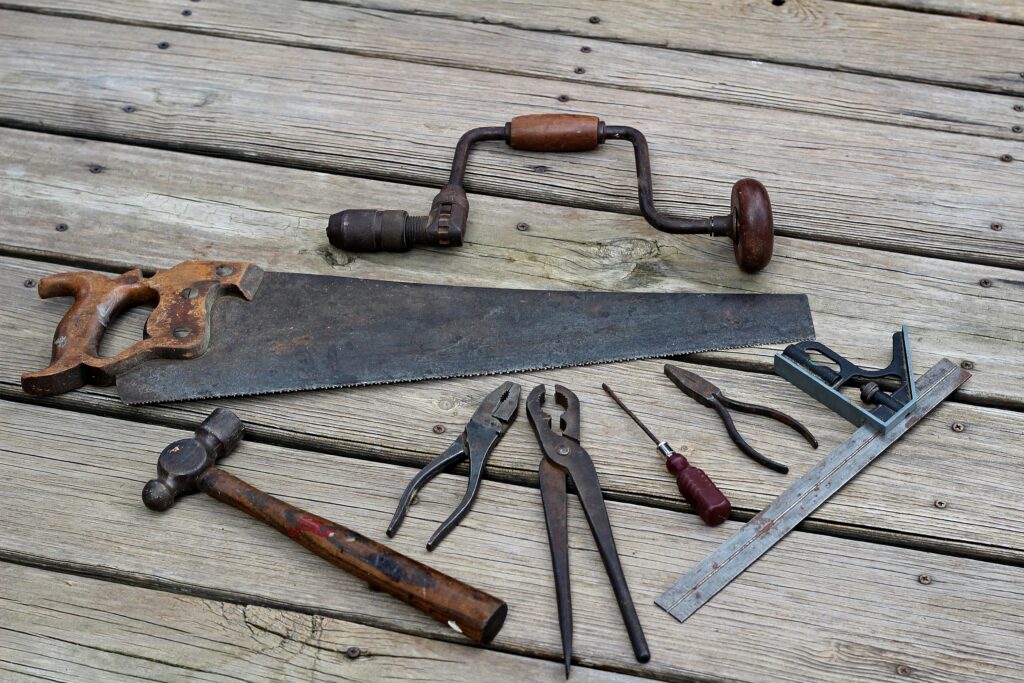
Sharpening the saw means getting back your ability to cut
I clearly remember, as a boy many years ago, watching my dad read The 7 Habits of Highly Effective People. Those moments are still vivid because I could see how much of the book clicked for him. Today I want to focus on the seventh habit, sharpening the saw. Why does a leader need to be so clear about sharpening the saw? And what does it actually mean? A weekend with the family? A vacation? A book? Let’s look at it together.
It can be all three, or none of them. Sharpening the saw means restoring the capacity you work with. Covey’s woodcutter keeps sawing because he says he has no time. His arms keep moving, but the blade has gone dull. That’s why this habit is easy to praise and rarely practiced: it asks you to stop right when the pressure to produce is at its peak. A weekend helps if you come back with better judgment. A vacation helps if you truly disconnect. A book or a course helps if it changes a decision, a standard or the way you work. Otherwise it’s just a break with a fancier name.
Leaders need to be clear on this because their state doesn’t belong to them alone. It shows up in meetings, in their patience, in how they listen, in the quality of their no. When you lead without recharging, your team learns a lesson nobody wrote into the handbook: stopping is weakness, and exhaustion proves commitment. That lesson is costly. People keep working, but they start working worse and believing that’s how it’s supposed to be.
Results take the hit in a decidedly unheroic way. Sometimes they collapse all at once. More often they just lose precision. There’s more rework, more rushed decisions, more tolerance for mediocrity because nobody has the energy left to set a clear bar. Learning is part of sharpening too: studying, practicing, going back to your craft with greater mastery. The point is to cut better, far beyond collecting certificates. This habit protects results because it protects judgment, and judgment is the first thing to go dull, long before the calendar does.
The same thing happens on a team, only it’s easier to hide. The calendar fills up. The reserves run dry. Nobody reads. Nobody learns. Nobody has a conversation without checking the clock. Nobody comes back with a clearer idea, only with better-managed fatigue. A team that never recharges doesn’t become more committed.
Covey splits it into four areas: physical, mental, spiritual and social. You don’t need a program for each one. You just can’t neglect any of them until it starts to crack. Sleep and move. Study and think. Go back to your why. Be fully present with the people who matter. You can go on vacation and still be absent. You can take a course and apply nothing. Renewal shows in what you get back, whatever you announce.
That’s why leaders don’t sharpen the saw once they’re "done." They sharpen it so they can keep being useful to whatever they say matters to them. The seventh habit still holds up for the same reason: purpose needs a sharp edge. Demanding that edge without caring for it is a contradiction that catches up with you sooner or later.
What are you calling rest or training that isn’t actually giving you any capacity back?
Warm regards and all the best,
Rodrigo Baccaro
Exploratory session
If you want to bring this reflection into your life, your leadership or your team, book an exploratory session with me.
Book an exploratory session
Author: Rodrigo Baccaro
Get ElPropósito every Sunday
A short reflection on leadership, purpose and growth, straight to your inbox.